


Overview
Replacing windows can seem straightforward, but one often-missed detail can quietly undermine the entire project: poor fit. In this blog post, Superior Industries Inc.’s window installation technicians explain how custom vinyl window replacement solves common performance issues, what separates them from standard replacements, and what you need to know before starting your upgrade.
Highlights
- When to replace your windows
- Full-home replacement benefits
- Custom vs. standard windows
- What to look for in replacements
- Custom vinyl window installation process
Introduction
Most windows aren’t made for your home. They’re made to fit “close enough.” Over time, that almost-right fit can lead to drafts, noises, and higher energy bills. The issue isn’t that your existing frames are broken. It’s that they were never designed specifically for your space.
Custom vinyl replacements solve problems that standard options often overlook. They’re built to fit properly, perform better, and last longer. This guide explains how to recognize when it’s time to replace your units, what sets custom vinyl options apart, and what to expect during the installation process.
When Is It Time To Replace Your Windows?
Standard windows typically last 15 to 20 years, depending on the quality of the materials and the care taken during installation. If your units are approaching that age, it may be time to consider replacing them, especially if you’re starting to notice performance issues.
Frames that once looked clean and sharp may now be warped or faded from years of sun exposure. Seals can weaken, letting in air or moisture that fogs the glass. You might notice rooms feeling colder or windows becoming harder to open. When that happens, it’s a clear sign it’s time for a full replacement.
What Are the Signs of Window Failure?
If your windows aren’t working like they used to, you may be seeing the early signs of window failure. These changes are usually easy to notice once you know what to look for.
Clear indicators include:
- Air drafts coming through closed windows
- Condensation trapped between glass panes
- Sticking or jamming when opening or closing
- Visible gaps between the frame and wall
- Water damage around the sill or trim
- Increased noise from outside entering the home
Recognizing these issues for what they are can help you avoid patchwork fixes and make a lasting improvement to your home.
Why Do Damaged Window Frames Need To Be Replaced?
Window frames are part of a sealed system that keeps out air, water, and pests. When this structure becomes cracked, warped, or pulls away from the wall, that seal is broken, and the entire unit stops performing the way it should.
Even small damage can lead to bigger problems over time, including moisture buildup, rising energy costs, and structural decay around the opening. In most cases, repairs won’t restore the original integrity. Once the frame is compromised, full replacement is the only way to ensure long-term protection and reliable performance.
Should You Replace All Windows at Once?
Replacing all your windows at once offers several long-term benefits. It can:
- Improve energy efficiency across the entire home
- Create a consistent look both inside and out
- Lower labor costs by reducing the number of installation visits
This approach also ensures every window meets current standards for insulation, sealing, and durability. As a result, it reduces the risk of future issues like drafts, moisture intrusion, and glass failure. The main drawback is the higher upfront cost, which may be a barrier for some homeowners. Still, the long-term performance often justifies the investment.
Can You Replace Windows in Phases?
You can replace windows in phases, and many homeowners choose this route for financial or practical reasons. Prioritizing the most damaged or inefficient units first can still provide noticeable improvements in comfort and energy use.
It’s important to plan phased replacement carefully to maintain consistency in style, performance, and installation quality across the home. Using the same brand, frame type, and installer for each phase helps avoid mismatches. While this approach may cost more in the long run than doing everything at once, it can make replacement more manageable without sacrificing long-term results.
Are Custom Vinyl Windows Better Than Standard Options?
Custom vinyl windows often perform better than standard options because they’re built to match the exact size and shape of your window openings. This ensures a tighter seal, more reliable insulation, and better protection against drafts or moisture.
Standard windows, by contrast, may not fit as precisely and can require extra materials or adjustments during installation. These small gaps can reduce energy efficiency and lead to earlier wear. While standard options may cost less upfront, the long-term performance of custom vinyl windows makes them a better investment for homes that need lasting comfort and efficiency.
What’s Different About Custom Made Windows?
Custom made windows are built to your home’s exact measurements, offering more flexibility than standard options. You can choose:
- Exact dimensions for a precise fit
- Frame and sash styles to match your home
- Glass options for privacy, efficiency, or noise control
- Hardware finishes that suit your interior design
This level of control allows you to maintain your home’s character or update its look without compromise. Custom windows also install more cleanly, with no need for fillers or major adjustments. The result is a better fit, improved performance, and a cleaner finish both inside and out.
What Should You Look for in a Custom Vinyl Window Replacement?
When choosing a custom vinyl window replacement, start with the fundamentals. Focus on solid frame construction, accurate sizing, and a proper fit for your home. A well-made window should seal tightly, open and close easily, and handle regular use without issue.
It’s also important to consider how the window is rated for insulation, air leakage, and water resistance. Look for quality materials and clean assembly, not just surface appearance. While style is part of the decision, performance should come first. A good window will last for decades with little maintenance and continue to do its job season after season.
What Performance Features Matter in Custom Vinyl Windows?
Performance is one of the top priorities for homeowners choosing custom vinyl windows, with most looking for reliable insulation, long-term durability, and minimal maintenance. Multi-pane glass is now standard, with many homeowners opting for triple-pane upgrades for added insulation. Strong, reinforced frames with welded corners provide better durability over time. Ventilation features, like tilt-in sashes for easy cleaning, have also become more popular.
Homeowners want windows that perform well and require minimal upkeep. Most now expect windows to come with solid warranties, reliable locking systems, and materials that resist warping, fading, and seal failure.
What Comes Standard With Custom Vinyl Windows?
Custom vinyl windows are built to deliver lasting performance and energy savings. Most high-quality options include the following features:
- Low-E glass coatings that reflect heat and block UV rays
- Double-pane insulated glass that reduces heat transfer and outside noise
- Argon gas fills that improve insulation between the glass panes
- Fusion-welded frames that prevent air and water leaks
- Custom sizing that ensures a precise fit with no added fillers
These components work together to improve comfort, efficiency, and durability without requiring additional upgrades.
What’s the Process for Vinyl Window Installation?
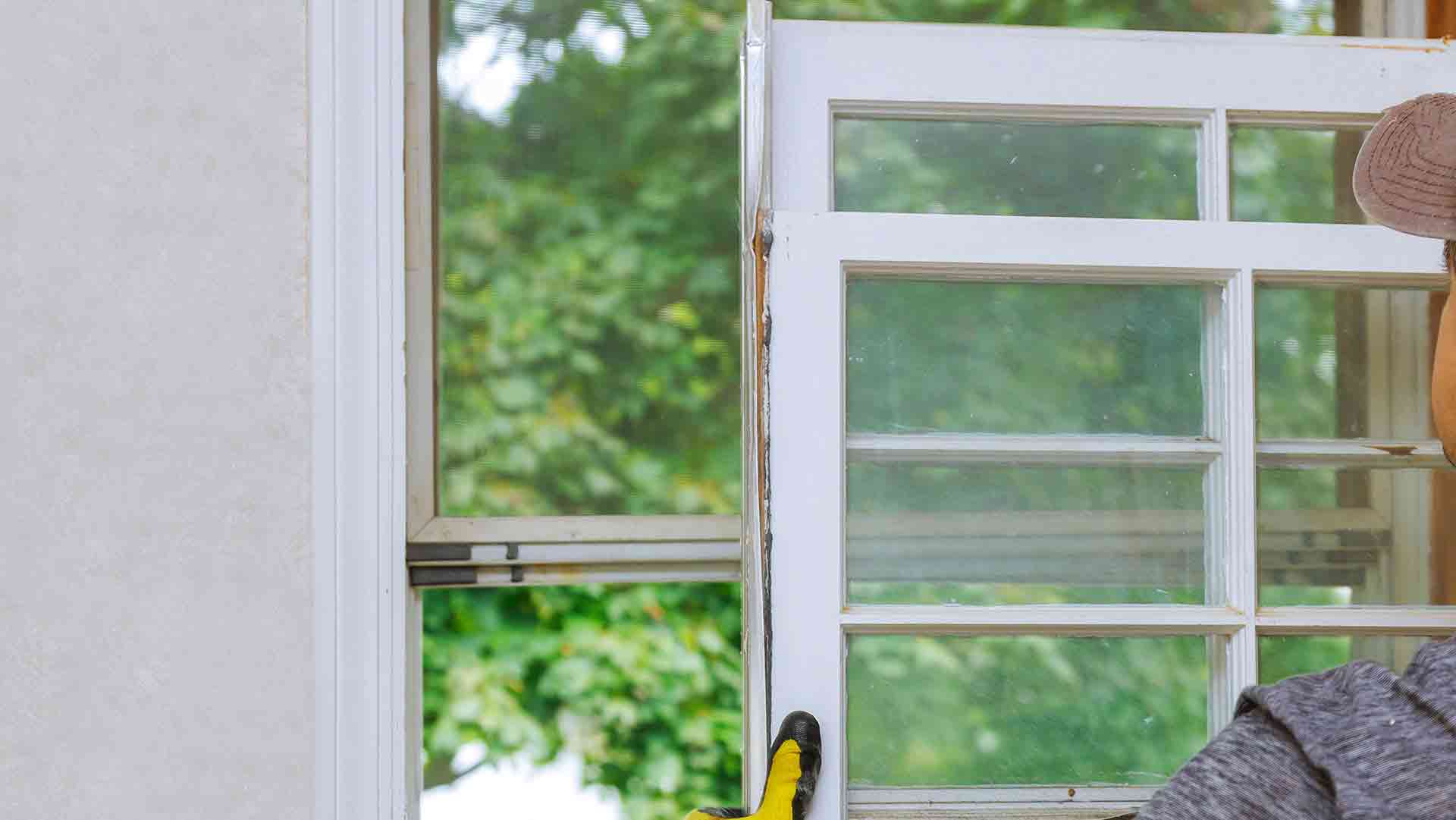
Vinyl window installation starts with a detailed assessment of your home’s existing window openings. Each unit is measured for a custom fit. The installer removes the old unit, prepares the opening, and secures the new window in place.
Once installed, the window is insulated, sealed, and tested for proper operation. Trim and finishing work follow to complete the look. A quality installation should leave no gaps, allow smooth operation, and meet performance standards for air sealing and water resistance.
How Long Does Window Installation Usually Take?
Most vinyl window installations are completed quickly, especially when the windows are custom-sized and ready to fit. On average, it takes about 30 to 60 minutes per window, depending on the condition of the existing frame and the type of window being installed.
For a full-home replacement, the entire job can typically be done in one to two days. Factors like weather and accessibility can affect the timeline. A professional installer will let you know what to expect based on your home and the number of windows being replaced.
What Should You Do To Prep Your Home?
Preparing your space ahead of time helps the installation process go faster and protects your home from accidental damage. Before the crew arrives, be sure to:
- Move furniture and wall decor away from windows
- Remove curtains, blinds, and window hardware
- Turn off or disconnect any window alarm sensors
- Clear outdoor access around each window opening
- Keep pets in a secure area during the work
These simple steps make it easier for installers to get the job done quickly and safely, with fewer interruptions or cleanup concerns.
Upgrade Your Home With Custom Vinyl Windows
Custom vinyl window replacement is about choosing a solution that fits your home, works the way it should, and holds up over time. Knowing what to watch for, what features matter, and how the process works puts you in a better position to make the right call. Superior Industries Inc.’s team is here to guide you though each step and ensure your replacement is done with precision, care, and the right fit for your home.
Ready to take the next step? Get in touch at (303) 898-4303 to talk through your options.