



Overview
When homeowners start researching exterior upgrades, siding quickly becomes one of the most important decisions they face. The right material plays a major role in durability, insulation, and long-term maintenance. Composite siding has become increasingly popular because it offers the look of natural materials with modern performance advantages.
In this blog, Superior Industries Inc. explains what composite siding is, how it compares to traditional materials, and why so many homeowners are choosing it for long-lasting exterior protection.
Highlights
- What is composite siding?
- The benefits of composite siding
- How energy-efficient is composite siding?
- How long does composite siding last?
- When should you consider composite siding?
- The composite siding installation process
Introduction
The exterior of your home protects the structure from wind, moisture, temperature swings, and everyday wear. Because siding acts as a protective shell, choosing the right material can have a lasting impact on both your home’s performance and maintenance needs.
For many years, homeowners relied mainly on wood, vinyl, or aluminum siding. While these materials can still be effective, modern manufacturing has introduced new options, such as composite siding, that combine the best characteristics of multiple materials. Designed to provide durability, visual appeal, and low maintenance, it has quickly become a preferred choice for homeowners looking for long-term performance.
Understanding how composite siding works and what makes it different can help you decide whether it’s the right fit for your home.
What Is Composite Siding?
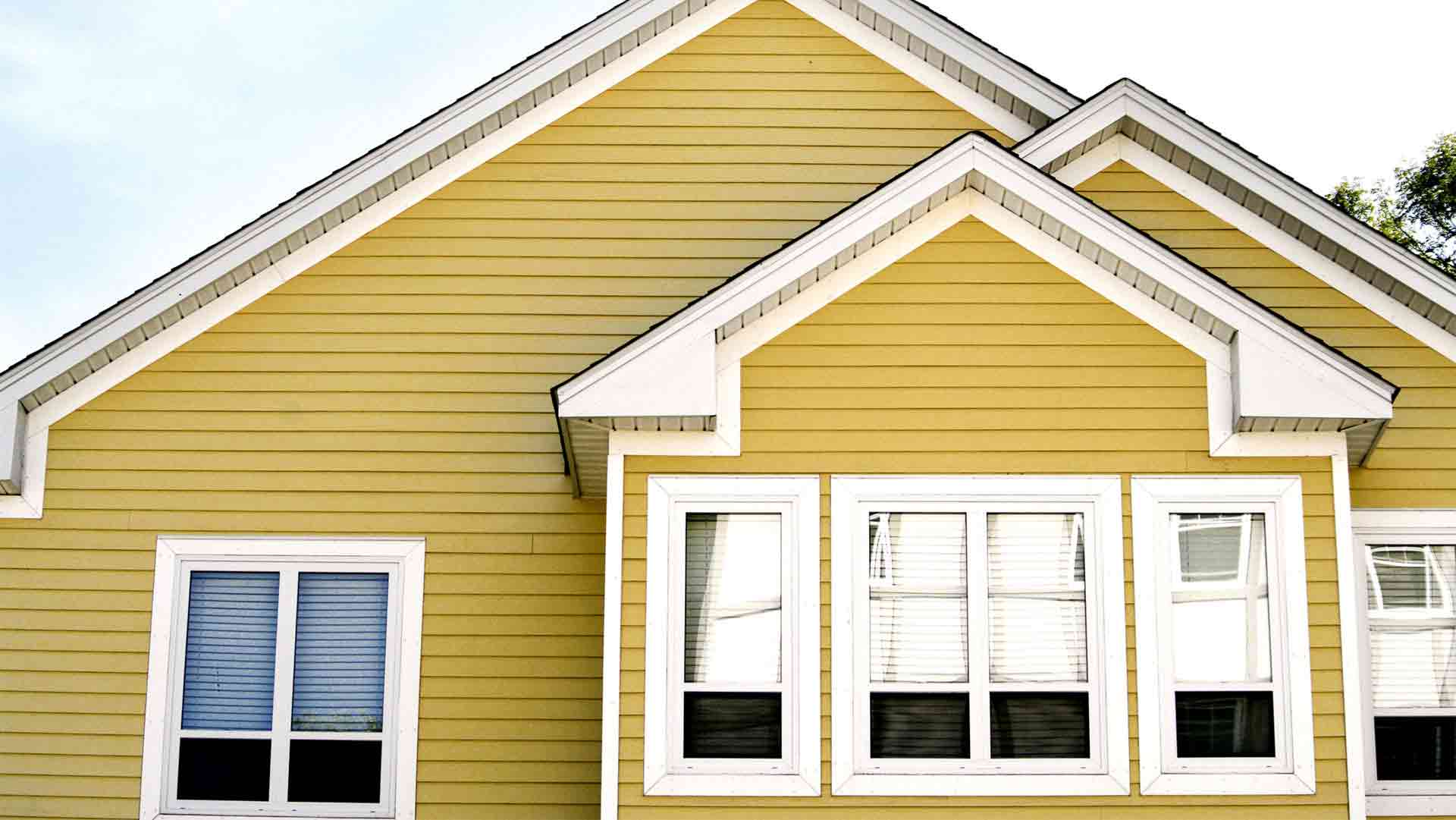
Composite siding is an engineered exterior cladding made from a blend of materials designed to improve strength, durability, and weather resistance. Unlike traditional wood siding, which is made from a single natural material, composite siding combines different components to create a more resilient product.
Most composite siding products are manufactured from a blend of wood fibers, polymers, resins, and reinforcing materials, such as cement or silica sand, though the exact composition can vary. The material we work with, Gentek ALIGN composite siding, for instance, uses polymer- and graphite-infused polystyrene, along with glass particles and titanium dioxide, for added strength. These ingredients are bonded together during the production process to create boards that are stronger and more stable than many traditional siding options.
One of the main advantages of composite siding is its ability to mimic the appearance of natural wood. Many products are manufactured with textured surfaces and grain patterns that resemble real wood siding while eliminating the maintenance challenges that wood often requires.
The result is a siding material that offers the aesthetic appeal of traditional materials while delivering modern durability.
What Are the Benefits of Composite Siding?
Composite siding has gained popularity because it addresses many of the common challenges associated with traditional siding materials. Homeowners often choose it for its durability, low maintenance requirements, and long-term performance.
Some of the most notable benefits include:
- Improved durability: Composite siding is designed to withstand weather exposure, impact, and temperature changes without warping or cracking as easily as some traditional materials.
- Low maintenance requirements: Unlike wood siding, which often requires regular painting or staining, composite siding typically requires only occasional cleaning to maintain its appearance.
- Consistent appearance: Because composite siding is manufactured under controlled conditions, each panel maintains consistent shape, size, and finish.
- Long-term performance: Many composite siding products are designed to maintain their structure and appearance for decades with minimal upkeep.
These benefits make composite siding especially appealing to homeowners who want a durable exterior without the ongoing maintenance required by natural wood.
How Energy-Efficient is Composite Siding?
When homeowners think about energy efficiency, windows and insulation usually get most of the attention. However, siding also plays a key role in how well your home maintains a comfortable indoor temperature. Because siding forms the outer protective layer of the building envelope, the material you choose can influence heat transfer, moisture control, and overall insulation performance.
Composite siding is often considered energy-efficient because of how it’s engineered. The materials used in its construction help create a stable exterior barrier that protects the home from temperature changes and outdoor conditions.
How Composite Siding Helps Stabilize Indoor Temperatures
One of the advantages of composite siding is its structural density. Unlike some lightweight siding materials, composite panels are typically thicker and more rigid, which helps reduce the amount of heat that transfers through exterior walls.
This added stability helps maintain more consistent indoor temperatures throughout the year. During colder months, the siding helps slow the escape of warm indoor air. In warmer weather, it helps prevent excessive outdoor heat from entering the home.
While siding alone isn’t responsible for insulating a home, it works together with insulation, framing, and windows to improve the overall performance of the exterior wall system.
Moisture Control and Energy Performance
Moisture may not be the first thing people think about when discussing energy efficiency, but it’s closely connected. When moisture enters wall systems, insulation can lose effectiveness, which makes heating and cooling systems work harder. Composite siding is designed to resist moisture absorption, which helps protect the structure behind it.
How Does Composite Siding Compare to Other Materials?
When evaluating siding options, homeowners often compare composite siding with more traditional materials such as vinyl, wood, or fiber cement.
Composite Vs Wood Siding
Wood siding offers natural beauty and classic architectural appeal. However, it often requires frequent maintenance, including painting, staining, and sealing to protect against moisture and insects.
Composite siding can replicate the appearance of wood while significantly reducing maintenance requirements.
Composite Vs Vinyl Siding
Vinyl siding is known for affordability and low maintenance. However, it may not offer the same level of impact resistance or visual texture as composite materials.
Composite siding generally provides a thicker, more rigid structure and can achieve more detailed surface textures.
Composite Vs Fiber Cement Siding
Fiber cement siding is valued for durability and fire resistance, but it can be heavier and more complex to install. Composite siding offers similar strength while often being lighter and easier to handle during installation.
How Long Does Composite Siding Last?
Under normal conditions, composite siding can last several decades when installed properly and maintained with basic care. Its resistance to moisture and structural movement helps prevent issues such as cracking, swelling, and rot. The longevity of siding also depends on factors such as installation quality, climate exposure, and the specific product used.
High-quality composite siding products often come with long-term manufacturer warranties that reflect their expected lifespan. ALIGN siding, for example, comes with a lifetime limited warranty for the original homeowner.
For homeowners seeking a siding material that balances durability with minimal maintenance, composite siding provides a strong, long-term solution.
When Should You Consider Composite Siding?
Homeowners often begin exploring siding replacement when their current exterior starts showing signs of aging or damage. Cracking panels, fading color, and moisture-related issues can indicate that the existing siding may no longer provide adequate protection.
Upgrading to a more durable siding material can improve both the performance and appearance of a home.
Composite siding may be worth considering if you’re looking for:
- A low-maintenance alternative to wood siding
- Improved durability compared to older siding materials
- Enhanced curb appeal with wood-like textures
- Long-lasting exterior protection
- Modern siding technology with strong warranties
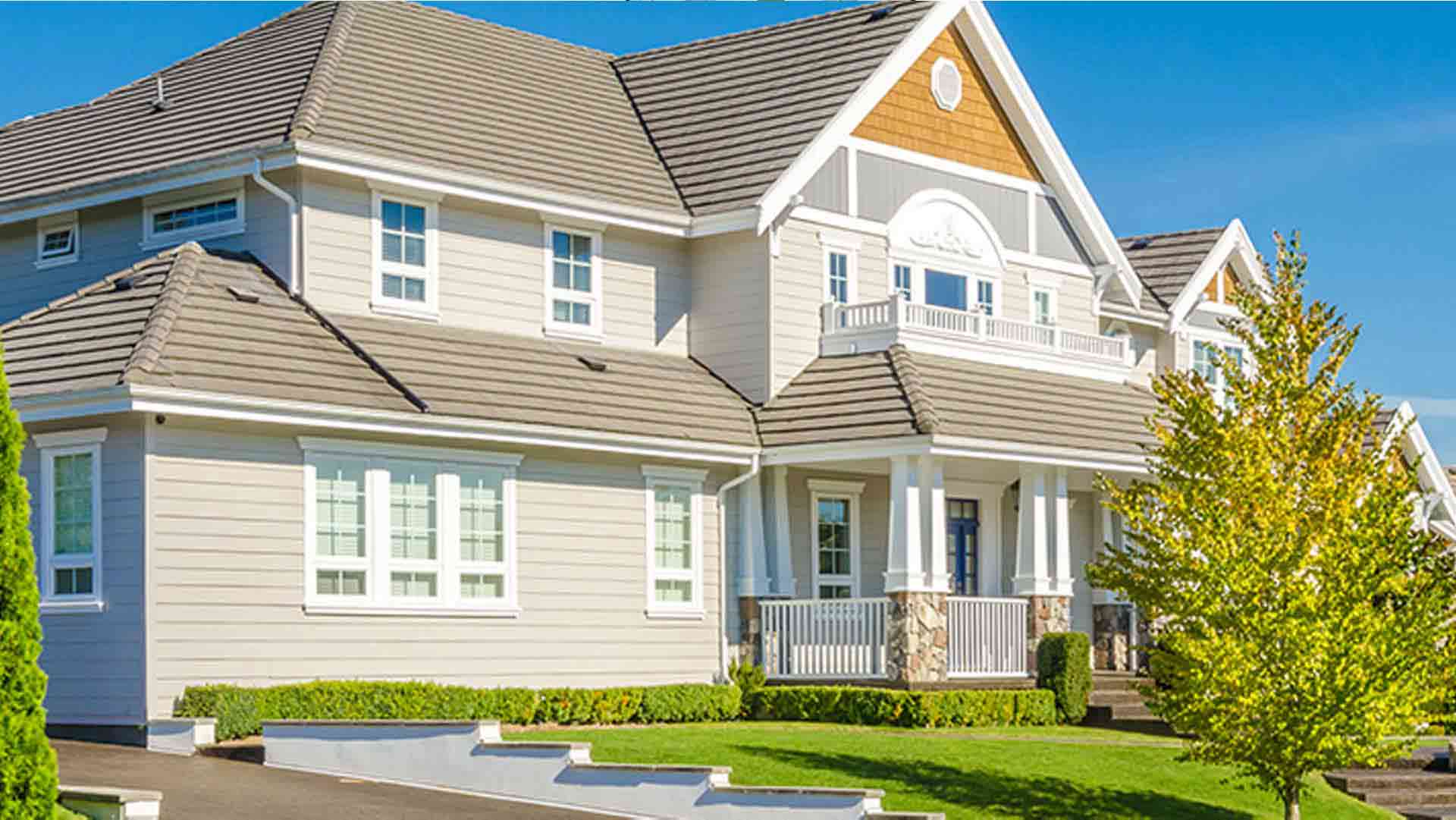
When installed correctly, new siding can dramatically transform a home’s exterior while improving long-term durability and insulation performance.
What Happens During Composite Siding Installation?
Installing composite siding involves several coordinated steps to ensure the new exterior protects your home and performs reliably for years to come.
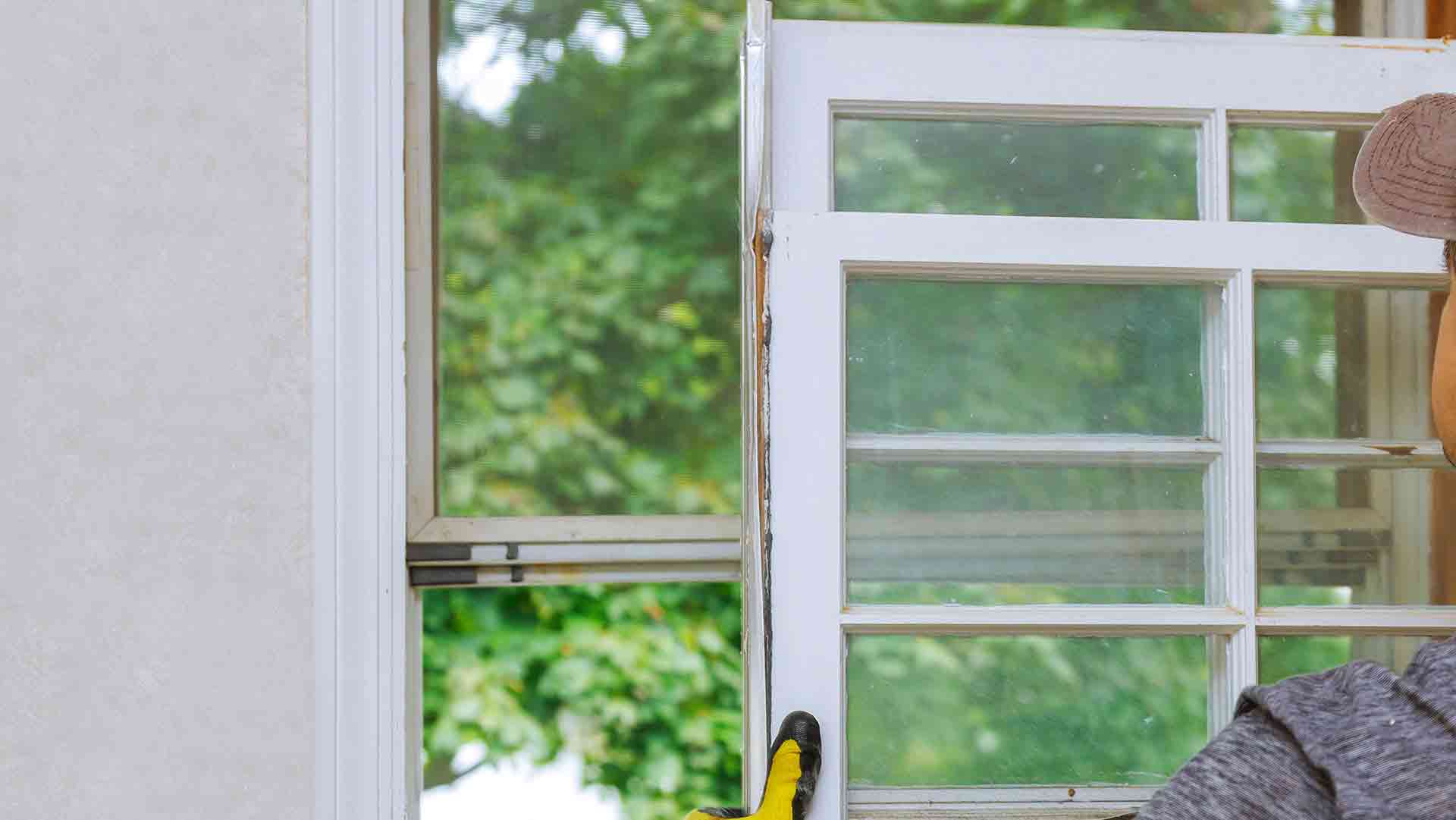
Your contractors begin by preparing the home’s exterior. They may remove the existing siding to inspect the wall structure for moisture damage, rot, or framing issues. Once they confirm the surface is sound, they install protective barriers such as house wrap or moisture shields to help guard the structure against water intrusion.
Next, the team measures and installs the composite siding panels in carefully aligned rows. Your contractors secure each panel with specialized fasteners designed to keep the siding stable while allowing for natural expansion and contraction as temperatures change. They also install trim pieces, corner boards, and transitions around windows and doors to create clean edges and protect vulnerable areas.
Finally, your contractors seal the edges around windows, doors, and rooflines to prevent water infiltration. They inspect the entire installation to ensure every panel sits securely and forms a continuous protective barrier around your home.
When all of this is done and installed correctly, composite siding strengthens weather protection, improves curb appeal, and delivers long-lasting performance with minimal maintenance.
Interested in Composite Siding for Your Home?
Choosing the right siding is an important investment in your home’s long-term protection and appearance. Composite siding offers a modern solution that combines durability, style, and low maintenance for homeowners who want lasting results.
Superior Industries Inc. installs high-performance Align composite siding, a high-performance material designed to deliver the appearance of real wood with the strength of engineered composite construction. Our team works closely with homeowners to evaluate siding options and recommend options that fit both your property and your goals.
Contact our team at (303) 898-4303 today to schedule a consultation.